

Office
Cardiology
The heart and blood vessels: high blood pressure, arrhythmias, chest pain, cholesterol.
Overview
About the office
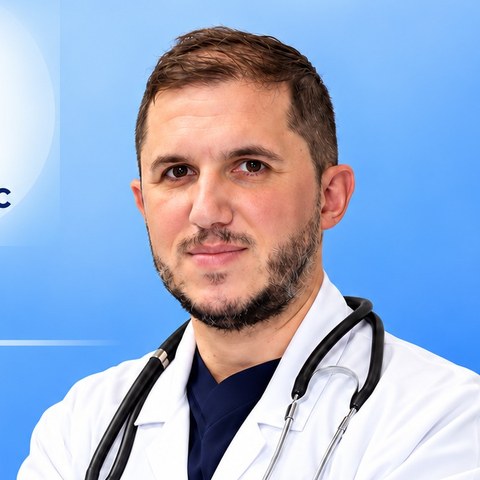
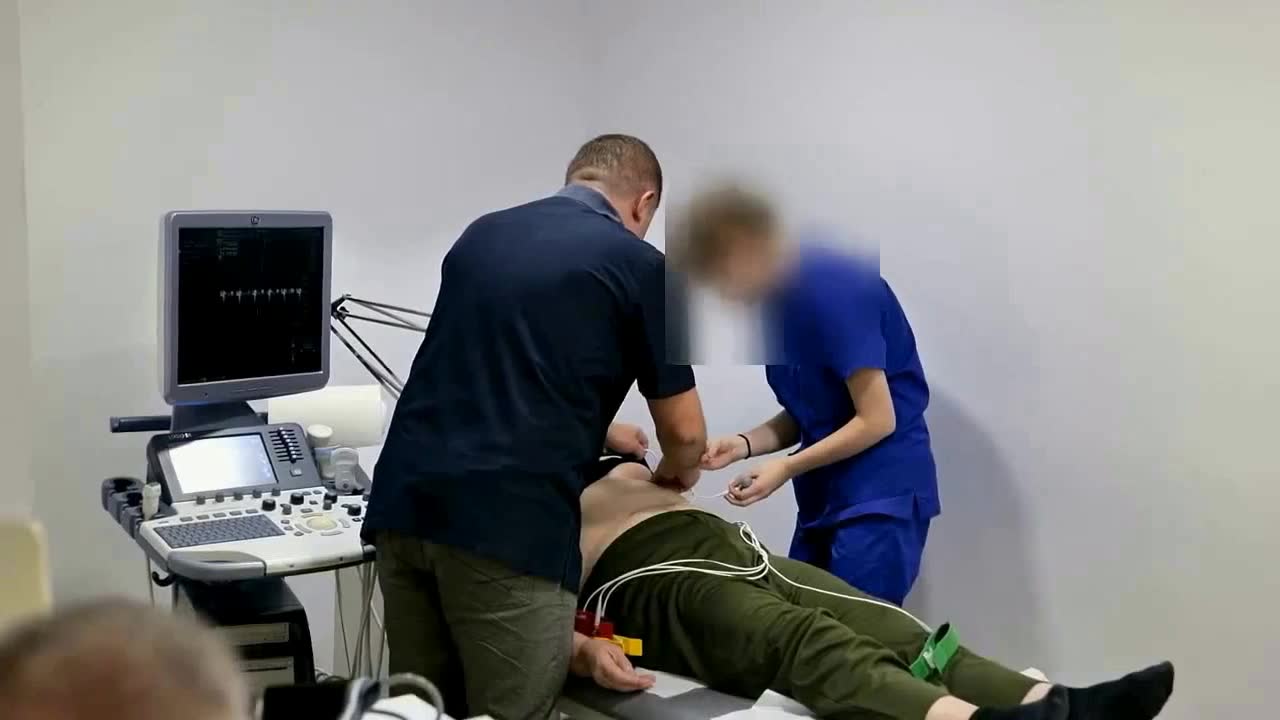
The cardiologist evaluates and treats diseases of the heart and blood vessels. In a single visit, the clinical examination, electrocardiogram and echocardiography can be done, so that the diagnosis and treatment plan are ready the same day.
You see the specialist yourself
The visit, examination and explanation are all done by the same doctor.
Everything in one place
The visit, exams and tests, without being sent from one center to another.
Collaboration between specialists
Our 18 specialties under one roof consult one another when the problem involves more than one organ.
What we treat
- Arterial hypertension
- Atrial fibrillation
- Dyslipidemia
- Coronary artery disease and angina pectoris
- Heart failure
- Palpitations and extrasystoles
- Heart valve disease
- Cardiac assessment before surgery
- Aortic valve stenosis
- Atherosclerosis of the carotid arteries
- Cardiac arrhythmias
- Chest pain: when to see a cardiologist
- Diabetes and heart disease
- Diabetes and high blood pressure
- Diabetes and high cholesterol
- Fast heart rate at rest
- How to measure blood pressure accurately at home
- Left ventricular hypertrophy
- Mitral valve stenosis
- Myocardial infarction
When to book a visit
- Chest pain or tightness during exertion
- Shortness of breath that appears with less effort than before
- Fast or irregular heartbeat
- High blood pressure on repeated measurements
- Swelling of the legs in the evening
- Family history of heart disease at a young age
Exams in the office
Electrocardiogram (ECG)
Records the heart's electrical activity in a few minutes. It detects rhythm disorders, signs of ischemia and enlargement of the heart chambers.
Echocardiography
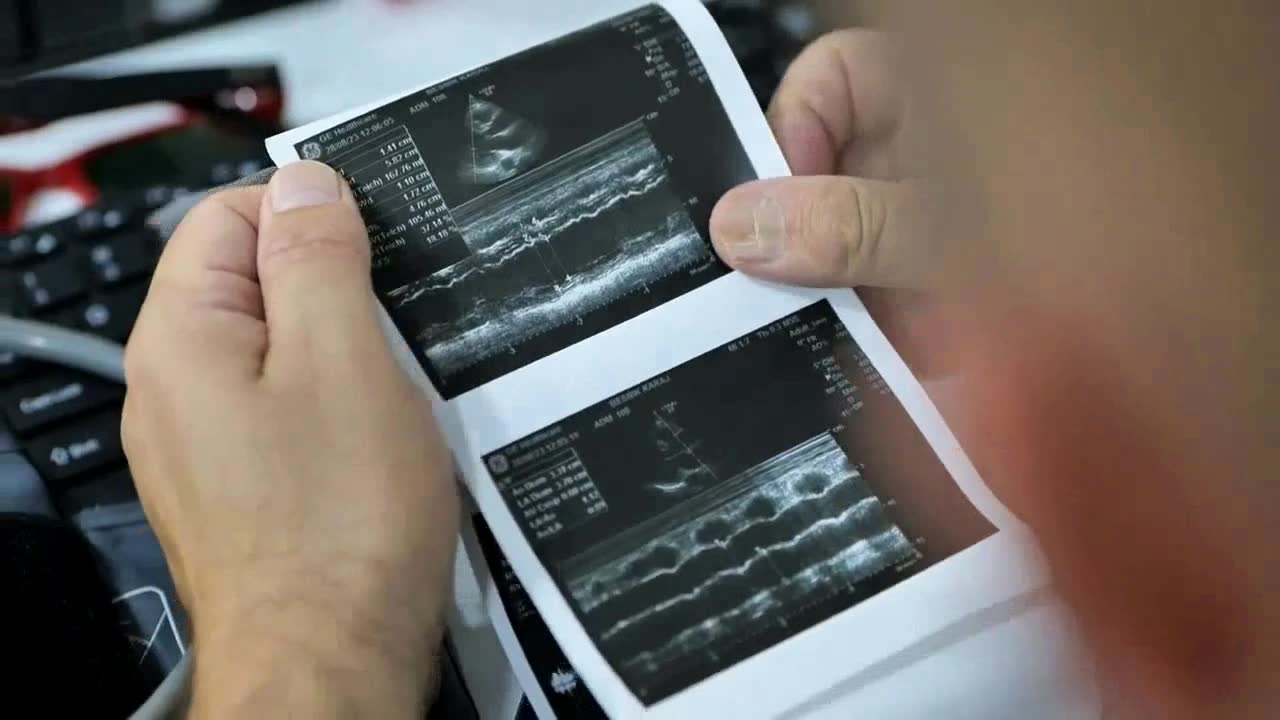
An ultrasound of the heart that shows the size of the chambers, pumping strength, the valves and the pressures inside the heart. It is the basic exam for heart failure and valve disease.
24-hour Holter ECG
A small device records the ECG throughout the day and night while you go about your usual life. It is used for palpitations, dizziness and to catch arrhythmias that do not appear during the visit.
24-hour ambulatory blood pressure monitoring
A small device with a cuff measures blood pressure automatically every 15–30 minutes during the day and night. It shows real values outside the medical setting, blood pressure at night and the effect of treatment; it also detects “white coat hypertension”.
How your visit works
- 1
Book
By phone, WhatsApp or online. Choose the day and time that suit you.
- 2
Visit
The specialist listens to your concerns, examines you and reviews your previous tests and exams.
- 3
Exams
When needed, an electrocardiogram, echocardiography and 24-hour Holter ECG are done during the same visit.
- 4
Plan
You receive a written report, treatment instructions and the date of your next check-up.
Our facilities

Frequently asked questions
What should I bring to my visit?
Your previous test results and exams (a photo on your phone is fine), a list of the medicines you take with their doses, and your ID card.
Can I have the exams on the same day?
Yes, in most cases: an electrocardiogram (ECG), echocardiography, 24-hour Holter ECG and 24-hour ambulatory blood pressure monitoring are done during the same visit, so the result can be interpreted right away.
How can I book?
Call 069 800 8006, message us on WhatsApp, or fill in the booking form on this page. Reception will confirm the appointment time.
Do I need to come fasting?
Only when you are having blood tests such as blood glucose and a lipid profile, or an abdominal ultrasound. It is not needed for a routine visit.
Health guides for patients: diseases and conditions
Aortic valve stenosis
Aortic valve stenosis is a narrowing of the valve through which blood leaves the heart on its way to the whole body.
Arterial hypertension
Hypertension is a sustained rise in the pressure with which blood pushes against the artery walls.
Atherosclerosis of the carotid arteries
Carotid atherosclerosis is a buildup of plaques in the neck arteries that supply the brain with blood.
Atrial fibrillation
Atrial fibrillation is the most common arrhythmia in adults: the atria do not contract regularly but “quiver,” and the heart beats irregularly, often fast.
Cardiac arrhythmias
An arrhythmia is any disturbance of the heart’s rhythm: beats that are too fast, too slow or irregular.
Chest pain: when to see a cardiologist
Chest pain has many causes, most of them not from the heart, but some are emergencies.
Coronary artery disease and angina pectoris
Coronary artery disease affects the arteries that supply the heart muscle with blood.
Diabetes and heart disease
People with diabetes are at higher risk of heart attack, stroke and heart failure.
Diabetes and high blood pressure
Diabetes and high blood pressure often occur together, and each adds to the other’s risk to the heart, brain and kidneys.
Diabetes and high cholesterol
In diabetes, cholesterol often follows a particular pattern: high LDL, low HDL and high triglycerides.
Dyslipidemia
Dyslipidemia is an abnormal level of fats in the blood, most often high cholesterol, especially LDL cholesterol, and high triglycerides.
Fast heart rate at rest
The resting pulse is usually 60–100 beats per minute.
Heart failure
Heart failure means that the heart does not pump blood as it should for the body’s needs, or that it fills and relaxes poorly.
Heart valve disease
The heart valves direct the flow of blood in one direction only.
How to measure blood pressure accurately at home
Home measurement shows your real blood pressure, away from the anxiety of a visit.
Left ventricular hypertrophy
Left ventricular hypertrophy (LVH) is thickening of the wall of the heart’s main pumping chamber.
Mitral valve stenosis
Mitral stenosis is a narrowing of the valve that separates the left atrium from the left ventricle, which makes it harder for blood to flow from the lungs into the rest of the heart.
Myocardial infarction
A myocardial infarction (heart attack) happens when a coronary artery becomes blocked and part of the heart muscle is left without blood.
Palpitations
Palpitations are the feeling that your heart is beating fast, hard or “skipping”.
Premature heartbeats (extrasystoles)
Extrasystoles are premature heartbeats: an electrical impulse appears earlier than expected and the heart contracts ahead of time.
Supraventricular tachycardia (SVT)
Supraventricular tachycardia is a fast rhythm that starts above the ventricles: the heart suddenly beats 150–220 times a minute, usually in an otherwise healthy heart.
Ventricular tachycardia
Ventricular tachycardia is a very fast rhythm that starts in the lower chambers of the heart.
Cardiomyopathy
Cardiomyopathies are a group of diseases in which the heart muscle becomes weak, enlarged, thick or stiff, and the heart pumps or fills less well.
Pregnancy and the heart
Pregnancy asks more of the heart. Most women manage without problems, but palpitations, high blood pressure and known heart conditions need special attention.
Dehydration and the heart
Dehydration is the loss of water and fluids beyond what the body takes in.
Blood loss and tachycardia
When the body loses blood, the heart beats faster to maintain circulation.
Oral anticoagulants: NOACs and warfarin
Oral anticoagulants lower the stroke risk in atrial fibrillation by roughly two thirds.
Cardioversion
Cardioversion restores normal rhythm in atrial fibrillation, with an electrical shock under sedation or with a drug.
Catheter ablation
Catheter ablation isolates the small areas of the atrium that trigger fibrillation.
Stroke and bleeding risk
In atrial fibrillation the CHA₂DS₂-VA score counts the factors that raise stroke risk and guides the decision on anticoagulation.
Stroke (cerebrovascular accident)
Stroke is an emergency: part of the brain loses its blood supply.
Antiarrhythmic drugs and rate control
In atrial fibrillation drugs aim either to slow the heart (rate control) or to restore normal rhythm (rhythm control).
Alcohol and the heart rhythm
Alcohol can trigger atrial fibrillation and makes it more frequent in those who have it.
Mechanical heart valves and anticoagulation
A mechanical valve needs lifelong anticoagulation with warfarin; NOACs are forbidden.