

Office
Neurology
The brain and nerves: headaches, dizziness, numbness, epilepsy.
Overview
About the office
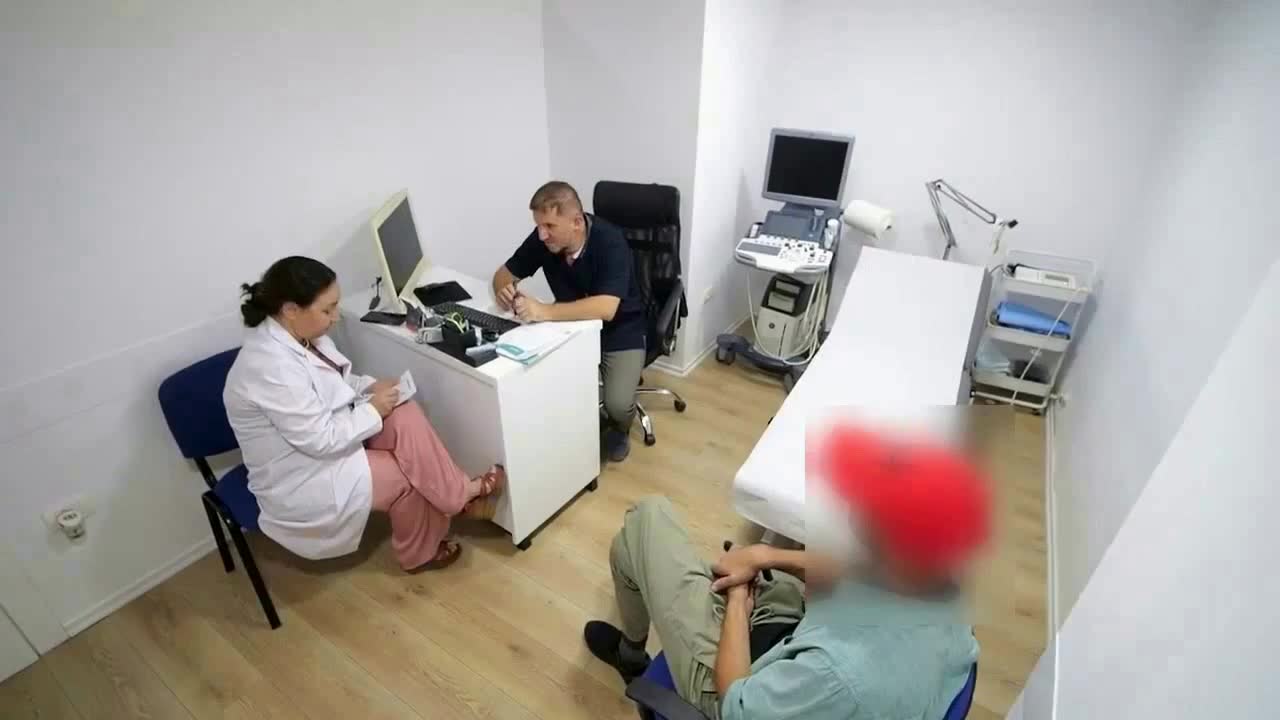
The neurologist treats diseases of the brain, spinal cord and peripheral nerves. The visit includes a neurological examination and, when needed, interpretation of an MRI or CT scan.
You see the specialist yourself
The consultation, examination and explanation are all done by the same doctor.
Everything in one place
Consultation, exams and tests, without being sent from one center to another.
Collaboration between specialists
18 specialties under one roof consult one another when a problem affects more than one organ.
What we treat
When to book a visit
- New, severe or changing headache
- Numbness or weakness of an arm or leg
- Shaking of the hands
- Worsening forgetfulness
- In an emergency (127): sudden weakness on one side, difficulty speaking or a drooping face
How your visit works
- 1
Book
By phone, WhatsApp or online. Choose the day and time that suit you.
- 2
Your visit
The specialist listens to your concerns, examines you and reviews your previous tests and exams.
- 3
Exams
When needed, imaging interpretation is done during the same visit.
- 4
Plan
You receive a written report, treatment instructions and the date of your next check-up.
Our facilities


Frequently asked questions
What should I bring to my visit?
Your previous tests and exams (a phone copy is fine), a list of the medicines you take with their doses, and your ID card.
Can I have the exams on the same day?
Yes, in most cases: imaging interpretation is done during the same visit, so the result can be interpreted right away.
How can I book?
Call 069 800 8006, message us on WhatsApp or fill in the booking form on this page. Reception will confirm your appointment time.
Do I need to come fasting?
Only if you are having blood tests such as blood glucose and a lipid profile, or an abdominal ultrasound. It is not needed for a routine visit.
Health guides for patients: diseases and conditions
Dizziness
Dizziness describes several different sensations and is not a single diagnosis.
Epilepsy
Epilepsy is a neurological condition with a recurrent tendency to epileptic seizures, that is, to sudden and excessive electrical discharges in the brain.
Follow-up after a stroke
A stroke is caused by blockage of a blood vessel (ischemic stroke, the commonest form) or by cerebral hemorrhage.
Headache and migraine
Headache has many causes, most of them benign.
Memory disorders
Forgetfulness can be linked to many conditions and does not automatically mean dementia or Alzheimer’s disease.
Numbness and nerve pain
Numbness, tingling and burning pain can be linked to damage to or compression of nerves.
Parkinson's disease and tremor
Parkinson's disease is a progressive neurological disease that affects movement and a range of other functions.