

Overview
About the office
The pediatrician monitors your child's growth and development and treats childhood illnesses. Parents receive clear guidance on how to care for their child at home and when to return.
You see the specialist yourself
The visit, examination and explanation are all done by the same doctor.
Everything in one place
Visit, exams and tests, without being sent from one center to another.
Collaboration between specialists
18 specialties under one roof consult one another when a problem affects more than one organ.
What we treat
- Growth and development check-ups
- Childhood infections
- Fever, cough and diarrhea
- Allergies and asthma in children
- Nutrition advice
- Bronchiolitis in infants and young children
- Caring for a newborn and when to see a doctor
- Constipation in children
- Home care for children by age and when to see the pediatrician
- Iron deficiency anemia in children
When to book a visit
- Fever lasting more than 3 days
- A child who is not eating or drinking enough
- Cough or difficulty breathing
- Routine growth check-up
- Emergency (127): a child who is hard to wake, very fast breathing, or skin spots that do not fade when pressed
How your visit works
- 1
Book
By phone, WhatsApp or online. Choose the day and time that suit you.
- 2
The visit
The specialist listens to your symptoms, examines you and reviews your previous tests and exams.
- 3
Exams
When needed, blood tests are taken at the clinic and the specialist interprets imaging done elsewhere.
- 4
The plan
You receive a written report, treatment instructions and the date of your next check-up.
Our facilities

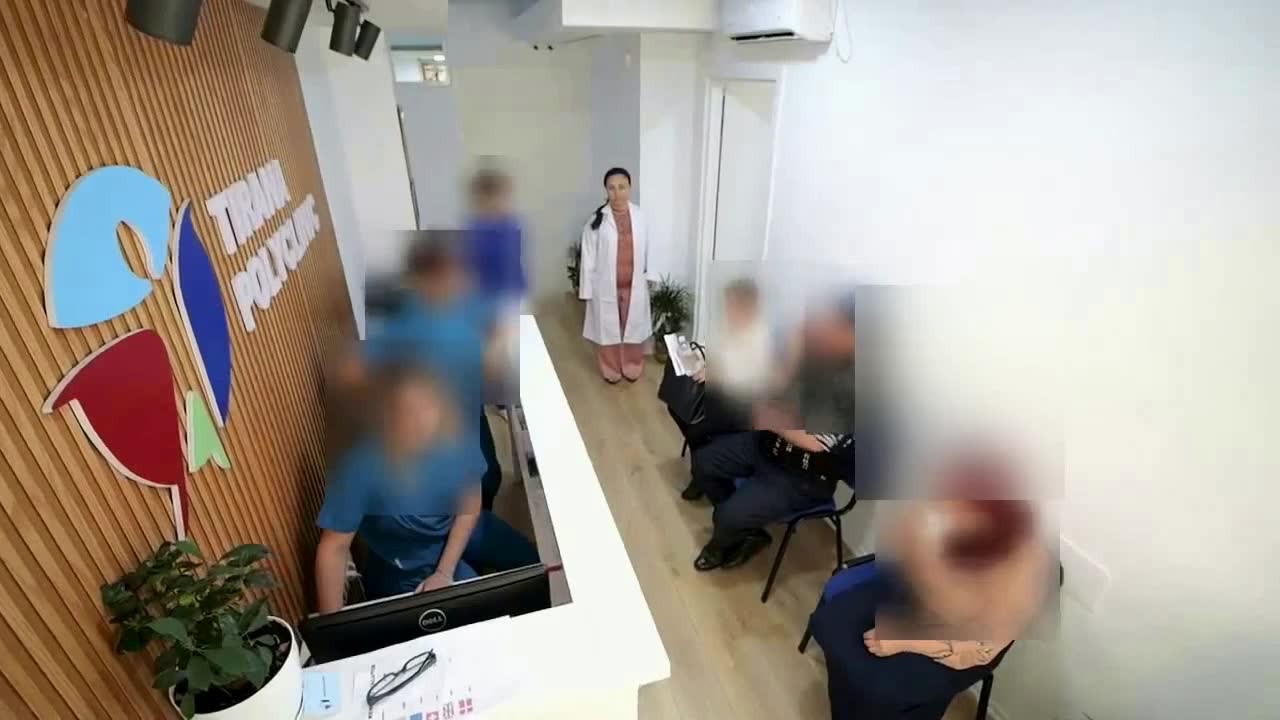

Frequently asked questions
What should I bring to the visit?
Your previous tests and exams (a phone copy is fine), a list of the medicines you take with their doses, and your ID card.
How can I book?
Call 069 800 8006, message us on WhatsApp or fill in the booking form on this page. Reception will confirm your appointment time.
Do I need to come fasting?
Only when you are having blood tests such as blood glucose and a lipid profile, or an abdominal ultrasound. It is not needed for a routine visit.
Health guides for patients: diseases and conditions
Acute gastroenteritis in children
Acute gastroenteritis usually presents with diarrhea, vomiting and sometimes fever.
Allergies and asthma in children
Allergies and asthma are among the most common chronic conditions of childhood and often occur together.
Bronchiolitis in infants and young children
Bronchiolitis is a viral infection that affects the small airways, mainly in children under 2 years.
Caring for a newborn and when to see a doctor
The first month of life is the period when the baby adapts to life outside the womb and parents learn to know their child.
Constipation in children
Constipation in children may present with hard stools, painful bowel movements, stool withholding or a feeling of incomplete emptying.
Fever in children
A temperature of 38 °C or higher is considered fever.
Growth and inadequate weight gain
A child who is smaller than peers does not necessarily have an illness.
Home care for children by age and when to see the pediatrician
Most mild childhood illnesses pass with care at home: rest, fluids, feeding according to appetite and observation.
Iron deficiency anemia in children
Anemia means a hemoglobin level lower than the value appropriate for age.
Respiratory infections and cough in children
Respiratory tract infections are common in childhood, especially when a child starts nursery or kindergarten.
Routine pediatric check-ups and vaccination
Pediatric check-ups follow a child’s changes over time, detect problems early and adapt prevention to age.