

Overview
About the office
The surgeon assesses whether your problem needs an operation, when it should be done and what alternatives there are. The surgeon explains the procedure and follows your recovery afterwards.
You are seen by the specialist
The consultation, examination and explanation are all done by the same doctor.
Everything in one place
The visit, exams and laboratory tests are all in one place, without being sent from one center to another.
Collaboration between specialists
18 specialties under one roof consult together when a problem affects more than one organ.
What we treat
When to book a visit
- Swelling in the abdomen or groin that increases when you cough
- Painful gallstones
- A lump under the skin that is growing
- Blood during bowel movements
How your visit works
- 1
Book
By phone, WhatsApp or online. Choose the day and time that suit you.
- 2
Visit
The specialist listens to your symptoms, examines you and reviews your previous tests and exams.
- 3
Exams
When needed, abdominal ultrasound is done during the same visit.
- 4
Plan
You receive a written report, treatment instructions and the date of your next check-up.
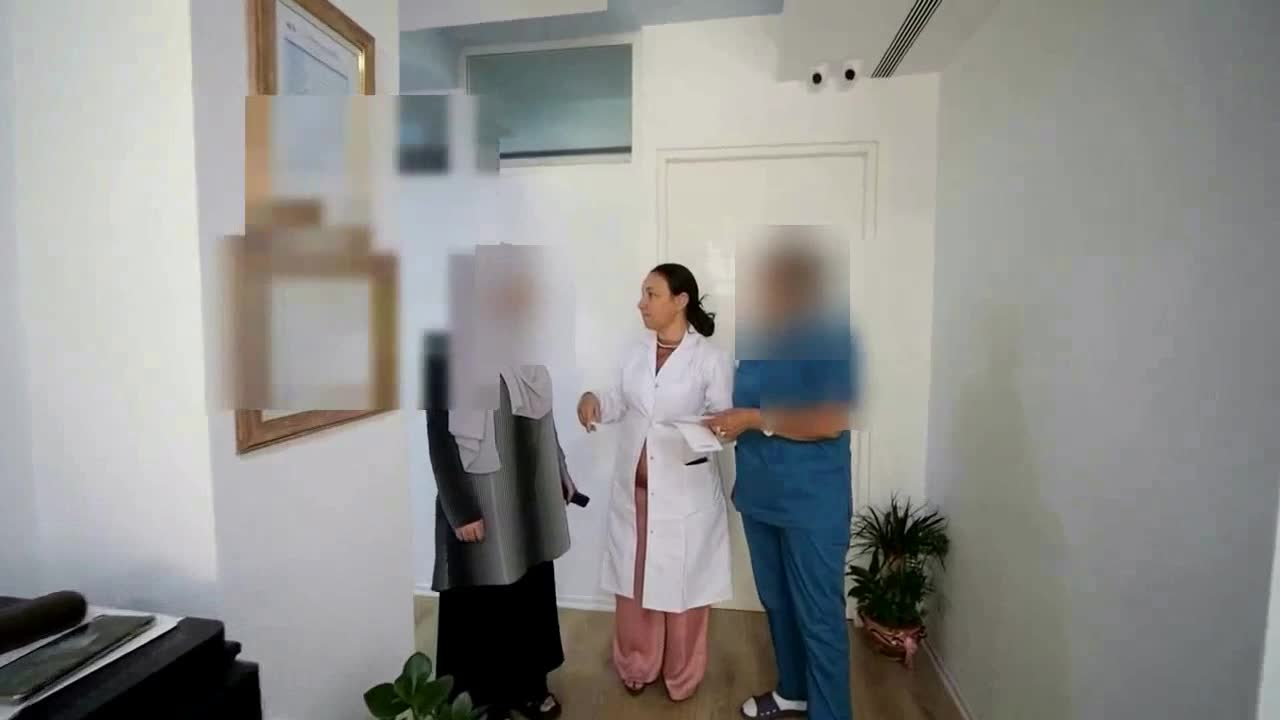
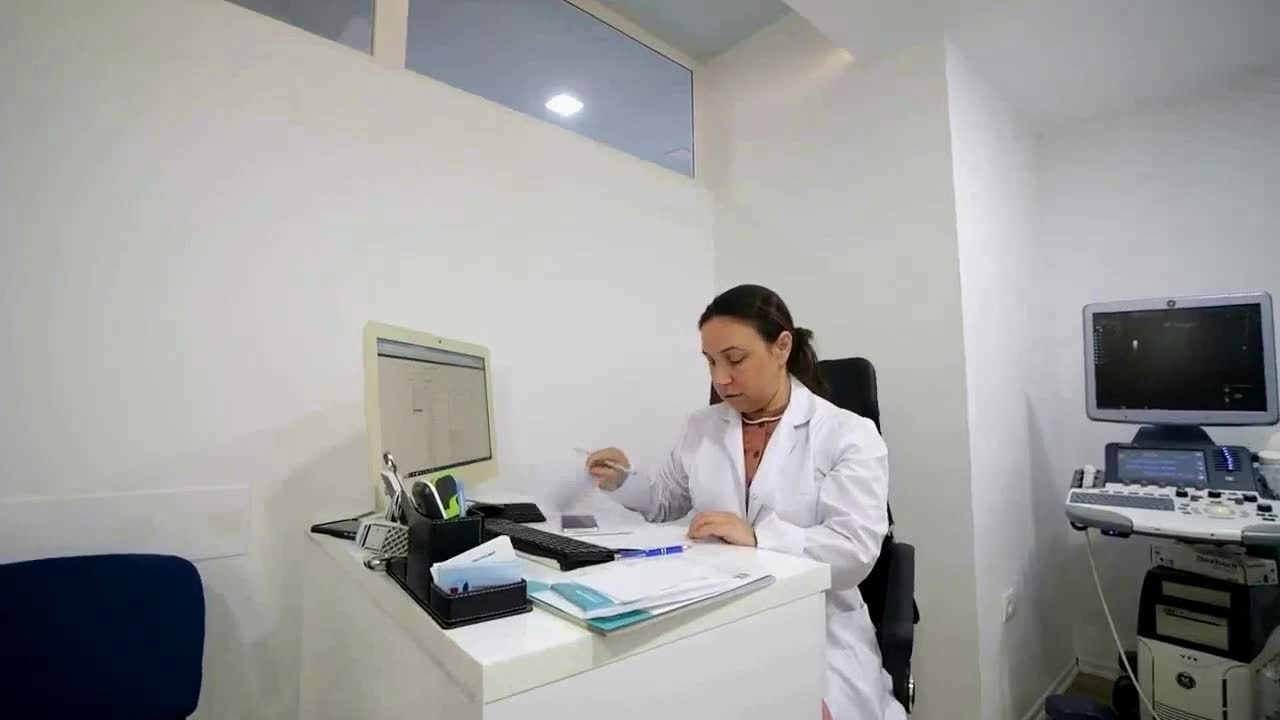
Our facilities

Frequently asked questions
What should I bring to the visit?
Previous test results and exams (a phone photo is fine), a list of the medicines you take with their doses, and your ID card.
Can I have the exams on the same day?
Yes, in most cases: abdominal ultrasound is done during the same visit, so the result can be interpreted right away.
How can I book?
Call 069 800 8006, message us on WhatsApp, or fill in the booking form on this page. Reception will confirm your appointment time.
Do I need to come fasting?
Only when you are having blood tests such as blood glucose and lipid profile, or an abdominal ultrasound. It is not needed for a routine visit.
Health guides for patients: diseases and conditions
Abdominal wall hernias
An abdominal wall hernia forms when fatty tissue or part of an organ, often the bowel, pushes through a weak area of the muscles and the fibrous layer that holds the abdomen.
Anal fissure
An anal fissure is a small tear in the skin of the anal canal that causes sharp pain during bowel movements and bright red blood.
Hemorrhoids
Hemorrhoids are normal vascular structures of the anal canal.
Lipomas, cysts and lumps under the skin
A mass under the skin may be a lipoma, a cyst, a lymph node, an abscess or another formation.
Post-operative wound check
A post-operative wound check assesses whether the tissues are healing as expected and whether there is infection, fluid collection, bleeding or opening of the wound.
The ingrown toenail: unguis incarnatus
An ingrown toenail occurs when the edge of the nail presses on or penetrates the lateral fold of skin.
When to see the surgeon
A surgical consultation serves to determine whether a problem requires intervention, other treatment or monitoring.