

Office
Gastro-hepatology
The stomach, intestines and liver: heartburn, gastritis, hepatic steatosis (fatty liver disease), hepatitis.
Overview
About the office
The gastro-hepatologist deals with diseases of the digestive system and the liver. Many common complaints, such as heartburn, bloating or abdominal pain, have causes that can be diagnosed and treated well when assessed in time.
You see the specialist yourself
The visit, examination and explanation are all done by the same doctor.
Everything in one place
The visit, exams and tests, without being sent from one center to another.
Collaboration between specialists
Our 18 specialties under one roof consult one another when the problem involves more than one organ.

The office's doctor
Dr. Klerida Shehu
Gastro-hepatology · Digestive endoscopy · Doctor of Medical Sciences
View full profileWhat we treat
- Gastroesophageal reflux disease
- Helicobacter pylori infection
- Hepatic steatosis (fatty liver disease)
- Gastritis and peptic ulcer
- Chronic viral hepatitis B and C
- Irritable bowel syndrome
- Constipation and chronic diarrhea
- Changes in liver tests (transaminases)
- Colon polyps and colonoscopy surveillance
When to book a visit
- Heartburn or acid rising into the mouth more than twice a week
- Difficulty or pain when swallowing
- Unexplained weight loss
- Blood in the stool or black stool
- Abnormal liver test results
- A persistent change in bowel habits
Exams in the office
Gastroscopy and colonoscopy
Examination of the stomach (gastroscopy) and the large intestine (colonoscopy, sigmoidoscopy) with an endoscopic probe. During the examination, biopsies can be taken, Helicobacter pylori can be tested for, and colon polyps can be removed.
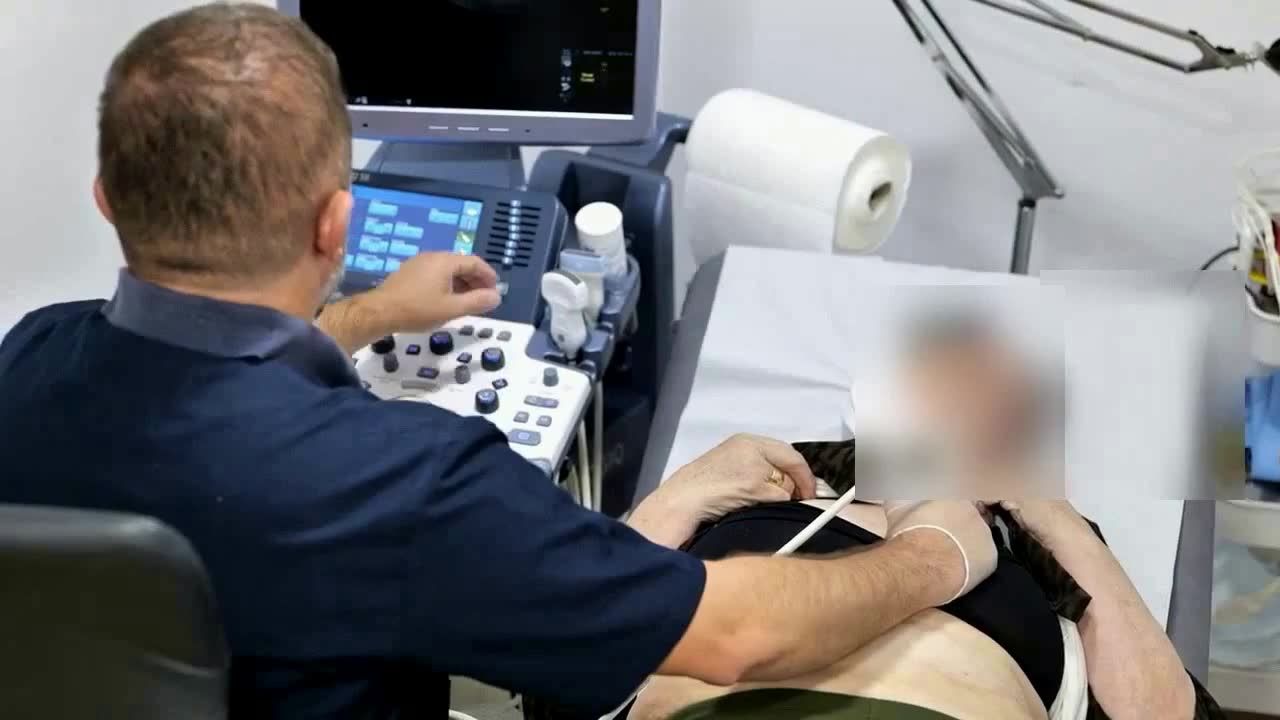
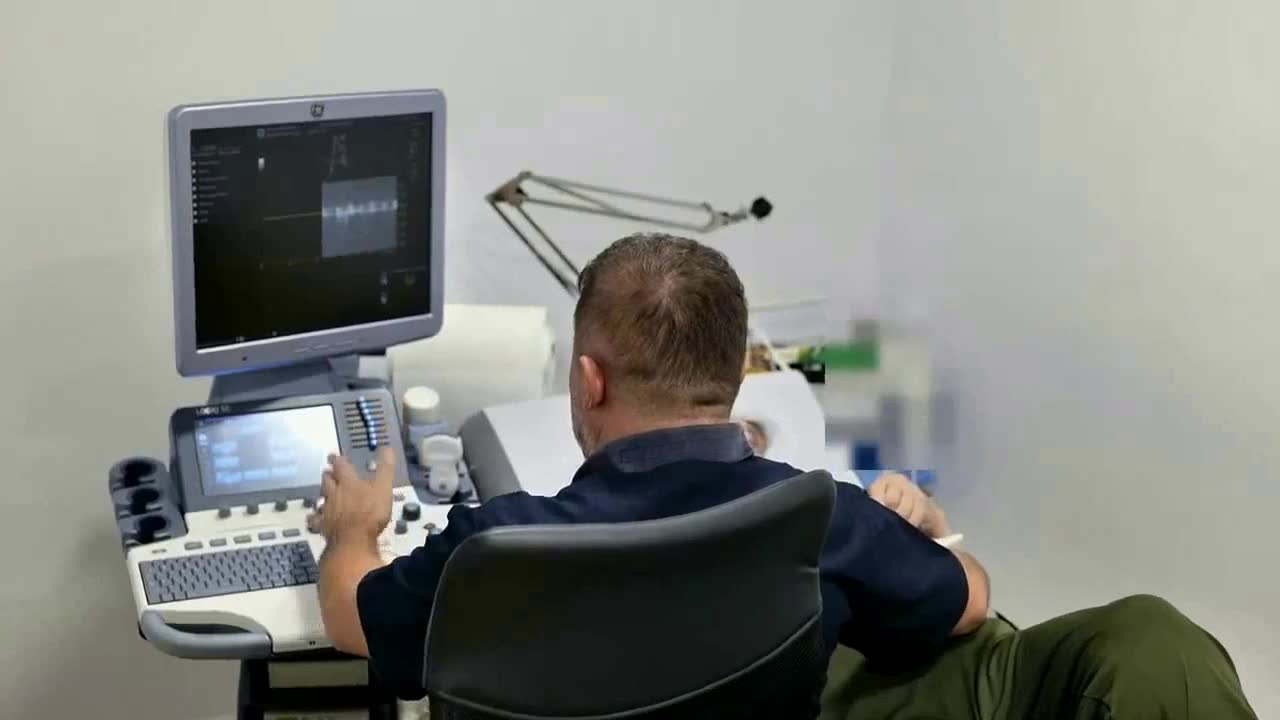
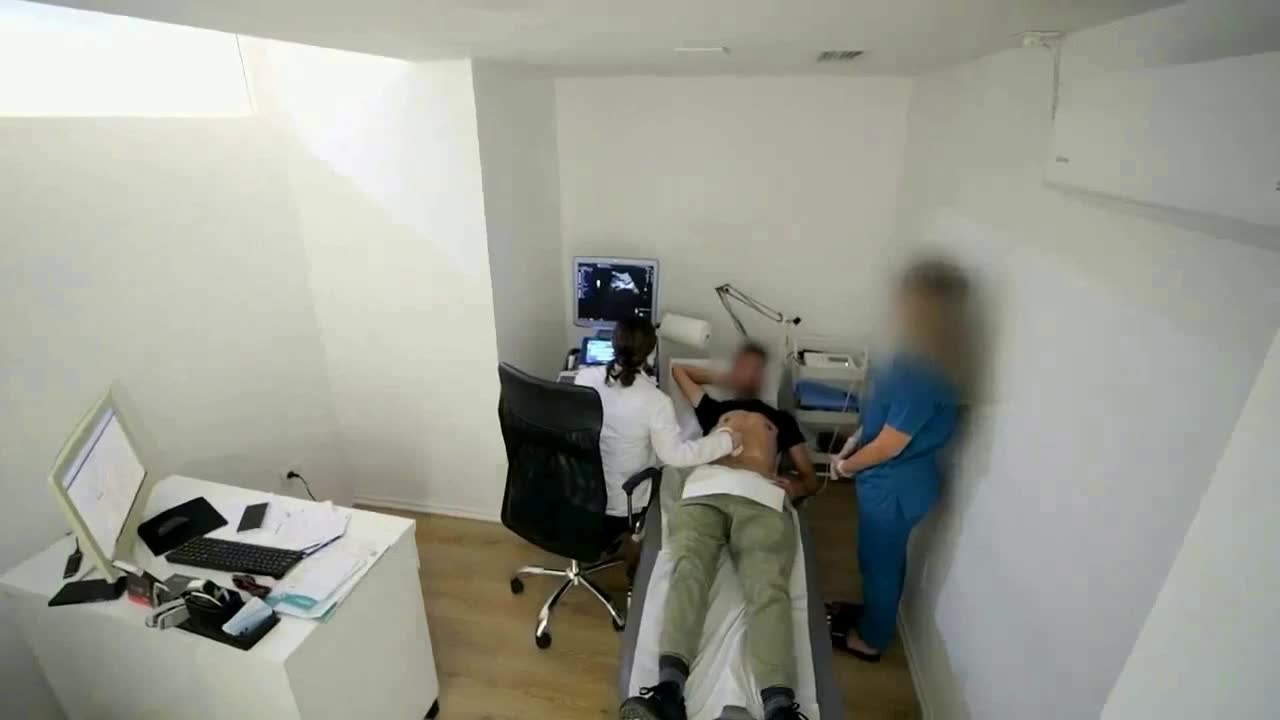
Abdominal ultrasound
An ultrasound of the abdominal organs: liver, gallbladder, pancreas, spleen and kidneys. It is the basic exam for hepatic steatosis (fatty liver disease), gallstones and changes in liver tests. No radiation.
How your visit works
- 1
Book
By phone, WhatsApp or online. Choose the day and time that suit you.
- 2
Visit
The specialist listens to your concerns, examines you and reviews your previous tests and exams.
- 3
Exams
When needed, gastroscopy, colonoscopy and abdominal ultrasound are done during the same visit.
- 4
Plan
You receive a written report, treatment instructions and the date of your next check-up.
Our facilities
Frequently asked questions
What should I bring to my visit?
Your previous test results and exams (a photo on your phone is fine), a list of the medicines you take with their doses, and your ID card.
Can I have the exams on the same day?
Yes, in most cases: gastroscopy, colonoscopy and abdominal ultrasound are done during the same visit, so the result can be interpreted right away.
How can I book?
Call 069 800 8006, message us on WhatsApp, or fill in the booking form on this page. Reception will confirm the appointment time.
Do I need to come fasting?
Only when you are having blood tests such as blood glucose and a lipid profile, or an abdominal ultrasound. It is not needed for a routine visit.
Health guides on related conditions (in Albanian)
Ciroza e mëlçisë
Ciroza është faza e avancuar e dëmtimit kronik të mëlçisë, ku indi normal zëvendësohet me ind fibrotik. Trajtimi i shkakut dhe ndjekja e rregullt mund të ngadalësojnë sëmundjen dhe të parandalojnë komplikacionet.
Diarreja
Diarreja është jashtëqitje më e ujshme ose më e shpeshtë se zakonisht. Shumica e episodeve akute kalojnë brenda pak ditësh; rreziku kryesor është dehidratimi.
Gastriti
Gastriti është inflamacion i mukozës së stomakut. Shkaqet më të shpeshta janë infeksioni me Helicobacter pylori dhe disa barna, si anti-inflamatorët josteroidë.
Gurët në tëmth (kolelitiaza)
Gurët në tëmth janë depozita të ngurtësuara që formohen në fshikëzën e tëmthit. Shumë njerëz nuk kanë simptoma; kur shkaktojnë dhimbje (kolikë biliare), trajtimi më i shpeshtë është heqja laparoskopike e fshikëzës.
Hepatiti B
Hepatiti B është infeksion i mëlçisë nga virusi HBV. Mund të jetë akut ose kronik; forma kronike, nëse nuk ndiqet, mund të çojë në cirozë dhe kancer të mëlçisë. Vaksina e parandalon në mënyrë shumë efektive.
Infeksioni me Helicobacter pylori
Helicobacter pylori është bakter që jeton në stomak dhe mund të shkaktojë gastrit kronik dhe ulçera. Diagnostikohet me teste të thjeshta dhe trajtohet me kombinim barnash, i ndjekur nga testi i kontrollit.
Kanceri i ezofagut
Kanceri i ezofagut zhvillohet në tubin që çon ushqimin nga goja në stomak. Shenja kryesore paralajmëruese është vështirësia progresive në gëlltitje, e cila duhet vlerësuar pa vonesë.
Kapsllëku (konstipacioni)
Kapsllëku përfshin jashtëqitje të forta, sforcim, dalje të rralla ose ndjesi zbrazjeje jo të plotë. Shumica e rasteve përmirësohen me fibra, lëngje, lëvizje dhe, kur duhet, me laksativë të përshtatshëm.
Koliti ulceroz
Koliti ulceroz është sëmundje kronike inflamatore e zorrës së trashë, që zakonisht fillon nga rektumi. Me trajtim të rregullt, shumica e pacientëve arrijnë periudha të gjata pa simptoma.
Polipet e zorrës së trashë
Polipet janë formacione të vogla në mukozën e kolonit ose rektumit. Shumica janë beninje, por disa lloje mund të shndërrohen me vite në kancer — prandaj zbulimi dhe heqja e tyre gjatë kolonoskopisë ka rëndësi.
Sindromi i zorrës së irrituar
Sindromi i zorrës së irrituar (IBS) është çrregullim i ndërveprimit zorrë–tru, me dhimbje barku të përsëritura dhe ndryshime të jashtëqitjes. Nuk dëmton zorrën dhe nuk rrit rrezikun e kancerit.
Steatoza hepatike
Steatoza hepatike (dhjamosja e mëlçisë) është grumbullimi i yndyrës në mëlçi. Forma më e shpeshtë, MASLD, lidhet me mbipeshën, diabetin dhe kolesterolin. Ajo që ka më shumë rëndësi është shkalla e fibrozës.
Sëmundja Crohn
Sëmundja Crohn është sëmundje kronike inflamatore që mund të prekë çdo pjesë të aparatit tretës, më shpesh fundin e zorrës së hollë dhe kolonin. Trajtimi synon kontrollin e inflamacionit dhe parandalimin e komplikacioneve.
Sëmundja e refluksit gastroezofageal
Refluksi ndodh kur përmbajtja e stomakut kthehet në ezofag dhe shkakton urth ose regurgitim. Kur ankesat përsëriten ose japin komplikacione, flasim për sëmundjen e refluksit gastroezofageal (GERD).
Ulçera e stomakut dhe e duodenit
Ulçera peptike është plagë në mukozën e stomakut ose të duodenit. Dy shkaqet kryesore janë Helicobacter pylori dhe anti-inflamatorët josteroidë.
Variçet ezofageale
Variçet ezofageale janë vena të zgjeruara në ezofag, zakonisht si pasojë e hipertensionit portal në cirozë. Nuk japin simptoma derisa të gjakosin — prandaj zbulimi dhe parandalimi i gjakderdhjes kanë rëndësi jetike.